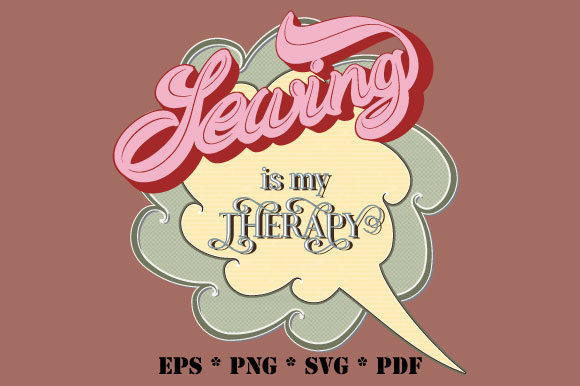
Sewing is My Therapy Retro Bubble
As a designer who’s spent years working with machine embroidery designs, I always approach new files with a critical eye. Sewing is My Therapy Retro Bubble isn’t just another illustration—it’s a design that carries a distinct visual personality and practicality. Let me walk through how this piece performs in real-world use, what it brings to the table, and where it might need a little extra care.
The First Impression: A Nostalgic Visual Statement
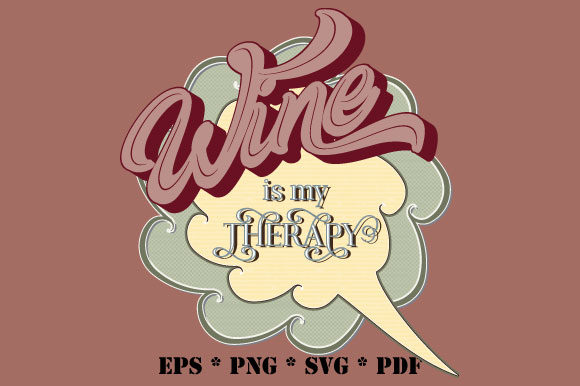
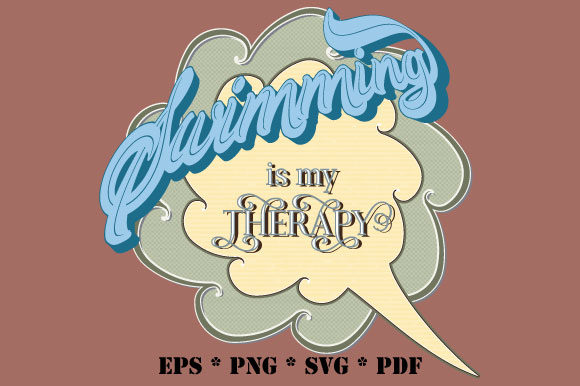
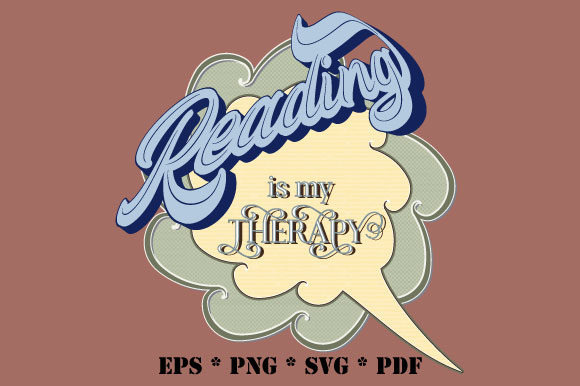
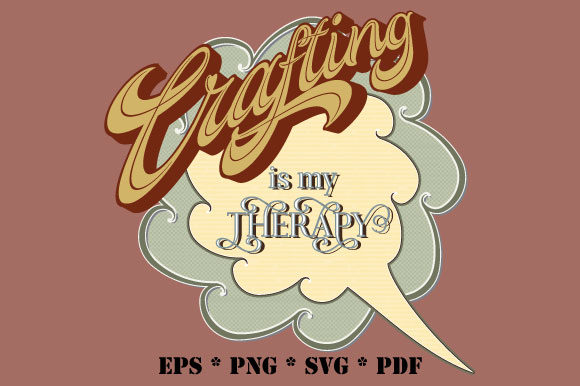
From the moment I opened the Sewing is My Therapy Retro Bubble file, it struck me as a design that leans into vintage charm. The bubble shape is soft and inviting, with a hand-drawn aesthetic that feels warm and approachable. It’s not overly complex, but the balance of negative space and detail makes it versatile. This isn’t a design that demands attention—it quietly commands it.
The theme is clear: a retro-inspired motif that evokes nostalgia without being too on-the-nose. It’s perfect for projects that aim to feel personal and handmade. Whether it’s a custom tote bag or a baby onesie, the design feels like it belongs in a world where craftsmanship matters.
Real-World Embroidery Performance
Testing Sewing is My Therapy Retro Bubble on different fabrics and project types gave me a good sense of its adaptability. On a standard cotton tote bag, it looked clean and polished. The stitch density was well-balanced—enough to define the shapes without appearing too busy. It worked well with both light and dark backgrounds, though I noticed that on darker materials, the thread contrast needed careful consideration.
For custom apparel, like sweatshirts or t-shirts, the design holds up nicely. The bubble shape doesn’t require an enormous hoop size, which is a plus for smaller machines. However, if you’re planning to use it on a cap or a curved surface, you’ll need to adjust your setup. The design’s curves are smooth, but they can be tricky to stitch accurately on tight spaces.
On baby items, the simplicity of the design is a big win. It’s not too intricate, so it avoids the risk of looking cluttered on tiny garments. As an applique design, it could work well with layered fabrics, but I’d recommend testing it first to ensure the layers don’t interfere with the stitching.
Where to Use It Carefully
While Sewing is My Therapy Retro Bubble is generally reliable, there are a few areas where it might need more attention. If you’re working with small hoop sizes, you might find that some of the finer details get lost. Similarly, on textured or stretchy fabrics, the design may not sit as flat as you’d like. A proper stabilizer is essential here.
Thin or dark fabrics also require caution. The design’s open areas might show through on lightweight materials, and on dark backgrounds, the thread color needs to stand out clearly. For commercial embroidery projects, especially those involving frequent washing, you’ll want to make sure the stitches are secure and won’t fray over time.
One thing to note: the design doesn’t include tiny lettering or dense stitch areas. That’s a relief, but it also means it’s not ideal for projects that require high detail or complex patterns. If you’re looking for something with a lot of decorative accents, this might not be the best fit.
Impact on Visual Appeal and Customer Perception
Sewing is My Therapy Retro Bubble has a subtle but effective way of elevating a finished product. It adds a touch of personality without overwhelming the item it’s on. For handmade products, this kind of design can make all the difference in how a customer perceives the value and quality of the item.
As a digital embroidery file, it’s easy to integrate into printable mockups or design assets. Its clean lines and minimalistic approach make it adaptable for different branding styles. Whether you’re an Etsy seller or a small shop owner, this design could help you create a cohesive look across your product line.
It also plays well with gift-giving scenarios. The retro vibe makes it a great choice for holiday gifts, personalized presents, or even wedding favors. It’s the kind of design that feels thoughtful and intentional, which is exactly what customers appreciate when they’re buying handmade or custom items.
Practical Designer Notes
If you’re planning to use Sewing is My Therapy Retro Bubble in your own projects, here are a few things to keep in mind:
- Test on scrap fabric first to see how the stitches look and how the design interacts with different materials.
- Check thread color contrast against your chosen fabric to avoid any unwanted blending or fading.
- Review stitch density to ensure it’s appropriate for the type of garment or item you’re working on.
- Confirm hoop size requirements before starting a larger project, especially if you’re using a machine with limited space.
- Inspect small details to make sure nothing gets lost during the stitching process.
- Test in black and white mockups to see how the design translates without color.
- Compare light and dark fabric backgrounds to ensure visibility and clarity.
- Use proper stabilizer for delicate or stretchy fabrics to prevent puckering or distortion.
- Confirm licensing if you plan to sell finished items or digital products.
These steps aren’t just about perfection—they’re about ensuring that your final product meets your standards and your customers’ expectations.
Final Thoughts: A Design That Works Well in the Right Context
Sewing is My Therapy Retro Bubble isn’t a one-size-fits-all design, but it’s definitely a strong contender for a range of projects. It’s ideal for custom apparel, baby items, and small business merchandise where a touch of vintage flair is appreciated. It’s not perfect for every situation, but when used correctly, it can add a lot of value to your embroidery work.
As someone who’s seen countless designs come and go, I appreciate when a file feels thoughtfully created. Sewing is My Therapy Retro Bubble does that. It’s a design that invites creativity and offers flexibility, making it a solid addition to any embroidery project or digital product lineup.