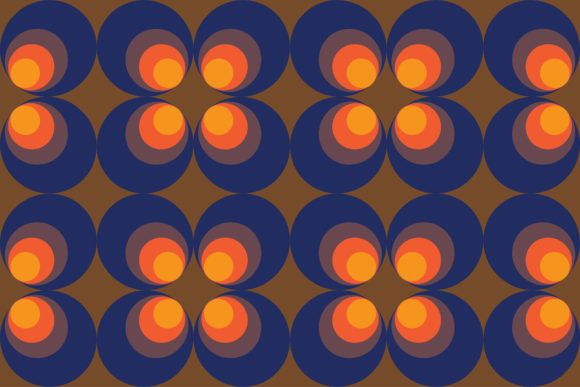
Retro Geometric Seamless Background
As an embroidery designer with years of experience, I’ve seen my fair share of patterns and designs. But when I came across the Retro Geometric Seamless Background, I knew it had potential for a wide range of projects. This design isn’t just a pretty pattern—it’s a versatile tool that can elevate everything from custom apparel to handmade gifts. Let me walk you through how this design performs in real-world use and what to consider before incorporating it into your next project.
The First Impression: A Nostalgic Visual Statement
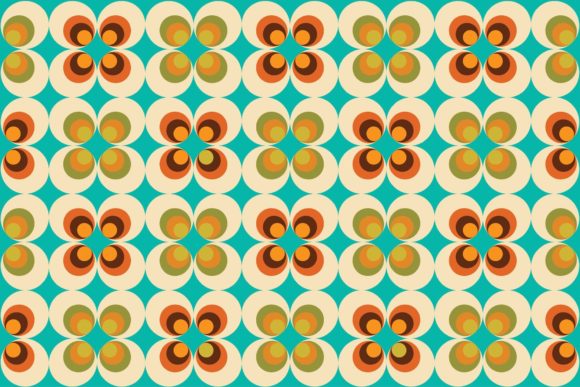
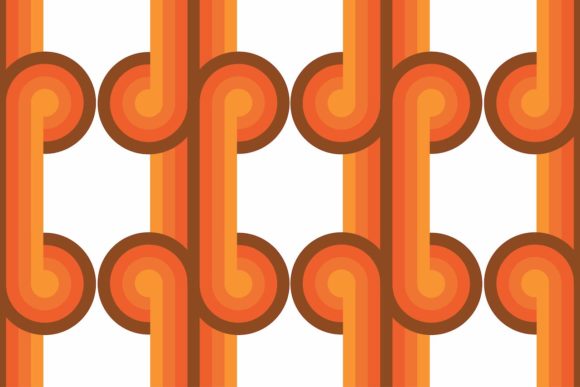
From the moment I opened the file, the Retro Geometric Seamless Background felt like a breath of fresh air. The 70s-inspired aesthetic is bold, clean, and full of character. It’s not overly complicated, but it has enough detail to make an impact without overwhelming the eye. The layout is balanced, with repeating shapes that flow seamlessly, making it ideal for backgrounds or as a base for additional artwork.
The mood it creates is nostalgic yet modern—perfect for customers who want something unique but not too flashy. It feels like a design that could work on a variety of items, from t-shirts to mugs, and even as part of a larger piece of art. Its seamless nature means it can be scaled without worrying about edges or gaps, which is a huge plus for any embroidery project.
Real-World Use: Where It Shines and Where It Needs Care
I tested the Retro Geometric Seamless Background on several fabrics and found that it works best on medium-weight materials like cotton, canvas, and light denim. On these surfaces, the design holds up well, with clear lines and even stitch density. It’s especially effective when used as a background for other elements, such as text or smaller graphics, allowing the main focus to stand out while still maintaining visual interest.
For custom apparel, like a tote bag design or sweatshirt embroidery, this pattern adds a sophisticated touch without being too busy. It also pairs well with other motifs, making it a great choice for layered designs. However, I noticed that on very thin or stretchy fabrics, the stitches can sometimes look a bit loose or uneven. In those cases, using a proper stabilizer is essential to keep the design from distorting during stitching.
When it comes to baby items or delicate garments, the design is suitable, but I’d recommend testing it on a small area first. The geometric shapes are simple enough to avoid looking too harsh, but if the design is too dense, it might feel uncomfortable against sensitive skin. For embroidered patches or apron designs, the Retro Geometric Seamless Background is a solid choice, especially when paired with contrasting thread colors.
Where to Be Cautious: Limitations and Considerations
While the Retro Geometric Seamless Background is versatile, there are a few situations where it might not be the best fit. Small hoop sizes, for example, can be problematic. If you’re working on a cap or a curved surface, the design might not fit comfortably in a standard hoop, requiring some adjustment or splitting the design into sections. This can complicate the process, especially for beginners.
On dark fabrics, the design may not show up as clearly, depending on the thread color. I recommend testing it on both light and dark backgrounds to ensure visibility. Also, if you plan to use it on textured fabrics like linen or corduroy, the pattern might not lay flat as expected. In such cases, a lightweight stabilizer can help maintain the integrity of the design.
For commercial embroidery projects, it’s important to check the licensing terms before selling finished products or digital files. While the Retro Geometric Seamless Background seems to be a straightforward design, always confirm that it’s suitable for resale or redistribution, especially if you’re an Etsy seller or running a craft business.
Design Notes for Embroidery Professionals
If you’re planning to use the Retro Geometric Seamless Background in your next project, here are a few practical tips:
- Test on scrap fabric first to see how the design looks in different conditions.
- Check thread color contrast to ensure the design stands out on your chosen fabric.
- Review stitch density to avoid issues with tight or loose stitches.
- Confirm hoop size to make sure the design fits comfortably on your machine.
- Inspect small details to ensure they’re clear and won’t get lost in the stitching process.
- Test in black and white mockups to see how the design translates without color.
- Compare light and dark fabric backgrounds to determine the best visual outcome.
- Use proper stabilizer for delicate or stretchy fabrics.
- Check if the design works for both personal and commercial use before finalizing your project.
These steps can save time and prevent headaches down the line, especially if you’re working on a high-volume order or a custom client project.
Why It Matters: Impact on Your Business and Craft
The Retro Geometric Seamless Background isn’t just a design—it’s a tool that can influence how your handmade products are perceived. When used effectively, it enhances visual appeal, adds value to your finished product, and helps build customer trust. Whether you’re creating personalized gifts, boutique merchandise, or commercial embroidery pieces, this pattern can help you stand out in a crowded market.
It also plays a role in brand consistency. If you’re building a collection of designs, having a cohesive style like this one can help create a recognizable identity. Plus, its versatility makes it a great addition to printable mockups, digital product previews, and marketing materials.
Ultimately, the Retro Geometric Seamless Background is a strong choice for designers looking for a reliable, stylish, and functional pattern. With the right approach, it can become a staple in your design assets and a valuable resource for your craft business.