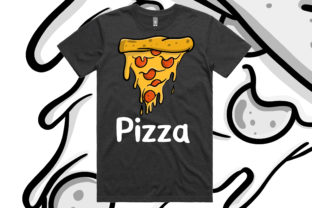
Pizza Graphics Review
As an experienced designer and embroidery product reviewer, I often find myself evaluating graphics for real-world use. Pizza Graphics caught my attention as a retro background that could work across multiple mediums. But before jumping into any project, I like to think through how it would translate in actual embroidery work—what it looks like after stitching, how customers might react, and what kind of product it naturally fits.
The First Impression: Retro Vibes and Visual Personality
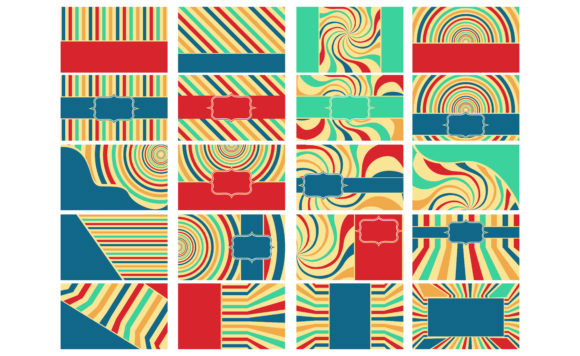
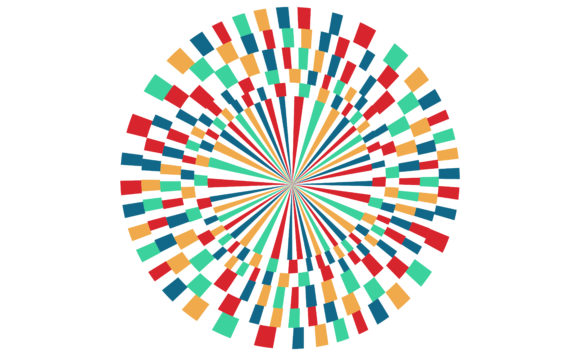
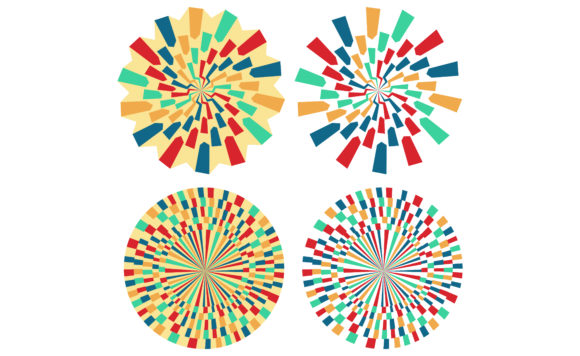
Pizza Graphics immediately evokes a nostalgic, playful mood. The design feels like a throwback to 80s diner signs or vintage pizza shop posters. The layout is clean, with bold shapes and a sense of movement that makes it visually engaging. The level of detail is just right—not too intricate, but enough to add character without overwhelming the eye.
This design seems to belong in projects that lean into fun, casual aesthetics. It’s ideal for custom apparel, especially t-shirts, sweatshirts, and tote bags where a little humor or whimsy can make a big difference. It also works well for baby clothes, kids’ items, and even holiday-themed gifts where a lighthearted touch is appreciated.
Real-Life Embroidery Performance
When testing Pizza Graphics on different fabrics, I found it performs well on medium-weight materials like cotton and polyester blends. The stitch density is balanced, which helps maintain clarity without making the design look too busy. However, it’s not the best choice for very small hoop sizes or delicate fabrics where the design might appear stretched or distorted.
For custom apparel, such as a sweatshirt or tote bag design, Pizza Graphics adds a unique flair. It’s perfect for a personalized gift or a handmade product that stands out in a crowded market. The design also works well as an embroidered patch, apron, or pillow cover, where its retro style can be highlighted without being lost in complex patterns.
On darker fabrics, the design maintains good contrast, but on lighter backgrounds, it may require careful thread color selection to ensure visibility. I recommend testing the design on scrap fabric first to see how it looks in your chosen colors and materials.
Where to Use With Caution
While Pizza Graphics is versatile, there are situations where it may not be the best fit. On textured or stretchy fabrics, the design can lose some of its sharpness, especially in areas with fine details or small lettering. Thin or lightweight fabrics may also cause the stitches to show too much, which can detract from the overall look.
For curved surfaces like caps or hats, the design may need some adjustment to fit properly. Similarly, if you're working with layered garments or products that will be washed frequently, it’s important to use the right stabilizer to prevent distortion over time.
Products that require frequent washing, such as baby clothes or kitchen towels, should also be evaluated carefully. High stitch density areas might wear down faster, so it’s worth considering the durability of the design in these contexts.
Impact on Visual Appeal and Customer Perception
Pizza Graphics has a strong visual appeal that can elevate a handmade product or commercial embroidery project. Its retro style is instantly recognizable, which can help with brand consistency and customer recognition. When used effectively, it adds value to a product by making it more memorable and unique.
From a customer perspective, this design can create a sense of nostalgia or fun, which is great for gift items or themed merchandise. It also enhances the professionalism of a craft business, especially when paired with high-quality stitching and proper presentation.
For Etsy sellers or small shop owners, Pizza Graphics offers a ready-to-use asset that can be incorporated into printable mockups, digital product previews, or custom listings. It’s a design that can be adapted to various formats, making it a valuable addition to any creative entrepreneur’s toolkit.
Practical Designer Notes
Before using Pizza Graphics in any project, I always recommend testing it on scrap fabric. This helps you understand how the design looks in real life and whether it meets your expectations. Check the thread color contrast, especially if you’re using dark or light backgrounds. A mismatch can make the design less effective or unattractive.
Review the stitch density to ensure it’s appropriate for your project. If the design is too dense, it might cause fabric puckering or thread breakage. Confirm the hoop size required for the design and make sure it fits your machine. Small details like corners or tiny lettering should be inspected closely to avoid issues during the embroidery process.
Test the design in black and white mockups to see how it appears without color. Compare it against both light and dark fabric backgrounds to ensure it remains visible and impactful. Using the right stabilizer is crucial, especially for delicate or stretchy fabrics.
Finally, confirm whether the design is suitable for both personal and commercial use. Always check the licensing terms before selling finished items or digital products. Pizza Graphics seems to be a solid choice for most creative applications, but it’s always better to verify the specifics before moving forward.
Final Thoughts on Pizza Graphics
Pizza Graphics is a fun, retro-style design that can bring personality to a wide range of embroidery projects. Whether you're creating custom apparel, personalized gifts, or small shop merchandise, it has the potential to stand out and engage customers. However, it’s important to approach it with practical considerations in mind, especially when working with different fabrics, hoop sizes, and stitch densities.
As a designer, I appreciate how Pizza Graphics balances simplicity with charm. It’s a design that can be used in many ways, but it requires thoughtful application to ensure the best results. For anyone looking to add a bit of retro flair to their craft business or handmade products, Pizza Graphics is definitely worth considering—but always test it first.