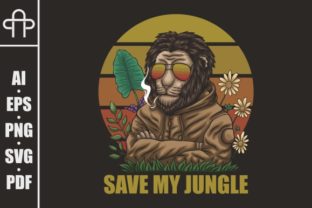
Lion Save My Jungle Retro
As a designer and embroidery product reviewer, I’ve seen my fair share of digital files. But when I first opened the Lion Save My Jungle Retro design, I was immediately struck by its nostalgic charm and bold visual identity. This is not just another generic illustration—it’s a design that feels like it belongs in a vintage poster or a retro-themed t-shirt. The mood is playful yet sophisticated, with a clean layout that balances detail and simplicity. It’s the kind of piece that could elevate a handmade product or add character to a custom apparel project.
The First Impression: A Design That Speaks Volumes
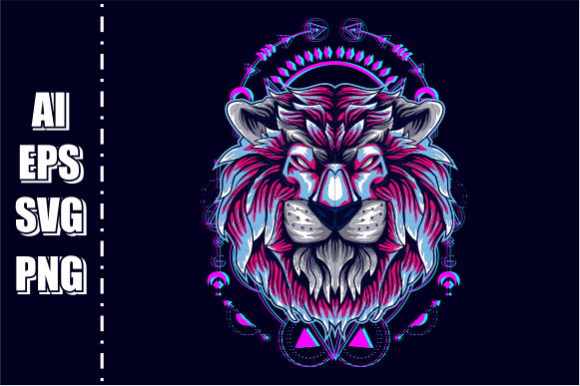
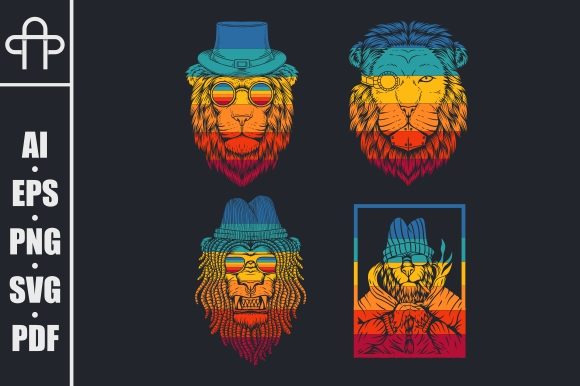
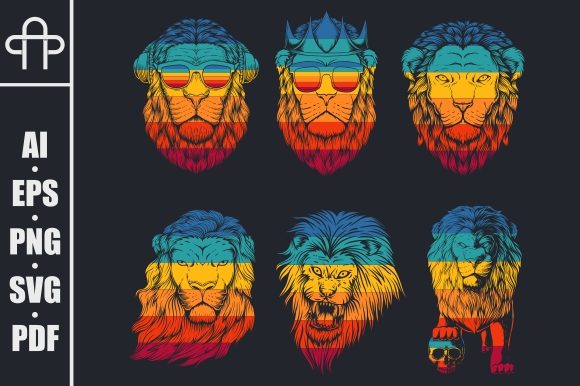
Lion Save My Jungle Retro immediately conveys a sense of adventure and whimsy. The lion is stylized with a retro flair, featuring clean lines and a slightly exaggerated expression that makes it both approachable and memorable. The overall composition is well-balanced, with enough detail to make it visually interesting without overwhelming the eye. The design seems to be designed for a specific aesthetic—think 70s or 80s-inspired graphics, which gives it a unique edge in the world of embroidery.
It’s clear that this design is meant to be used on a variety of surfaces, from tote bags to baby clothes. Its size and structure suggest it would work well as an embroidered patch, a sweatshirt design, or even a decorative element on a pillow cover. The level of detail is sufficient for most embroidery machines, but it also allows for some creative interpretation depending on the fabric and stitch type chosen.
Real-World Embroidery Use Cases
When considering how Lion Save My Jungle Retro would perform in real embroidery situations, I think about the types of projects it would fit best. For instance, if you’re creating a custom tote bag design for a boutique shop, this could be a strong contender. Its retro look would appeal to customers looking for something unique and nostalgic. Similarly, it could work well on a sweatshirt for a small business or as part of a holiday gift line.
For baby items, the design’s clean lines and simple shapes make it ideal for a onesie or a blanket. The lion is not too detailed, which is important when working with delicate fabrics or small hoop sizes. It could also be used on a cap or a hat, though care would need to be taken with the curved surface and stitching density.
If you’re an Etsy seller or a craft business owner, this design has the potential to stand out in a crowded marketplace. Its visual personality makes it easy to market as a personalized gift or a limited-edition item. However, it’s important to consider how it will look on different fabric colors and textures before finalizing your product.
Where to Be Cautious: Design Limitations
While Lion Save My Jungle Retro is versatile, there are certain scenarios where it might not perform as well. For example, if you’re working with small hoop sizes, you may find that some of the finer details are lost during the embroidery process. Similarly, if you’re using it on textured or stretchy fabrics, the design may not sit as flat or crisp as desired.
On dark fabrics, the design’s contrast may need to be adjusted depending on the thread colors you choose. If you’re planning to use it on layered garments or curved surfaces like caps, you’ll want to test it first to ensure it stitches properly. Tiny lettering or dense stitch areas could also be problematic, so it’s worth reviewing the file carefully before committing to a large batch.
Impact on Visual Appeal and Customer Perception
One of the key factors in any embroidery project is how the final product looks. Lion Save My Jungle Retro has a strong visual presence that can enhance the value of a handmade product. Its retro style adds a layer of uniqueness that can make a custom item feel more special and collectible.
From a customer perspective, this design could generate interest and engagement, especially if it’s used in a way that aligns with their personal style or interests. It has the potential to build trust in your brand, particularly if you’re known for high-quality, well-designed products. When used effectively, it can also increase the perceived value of your finished items, making them more appealing to buyers.
Practical Designer Notes: What to Check Before Using
Before jumping into using Lion Save My Jungle Retro in your next project, there are a few practical steps you should take. First, always test the design on scrap fabric to see how it looks in real life. This will help you identify any issues with stitch density, thread color contrast, or stabilizer needs.
Check the file formats provided—AI, EPS, PNG, SVG, and PDF. These are all standard formats that should work well with most embroidery software. However, make sure they are compatible with your machine and that the dimensions are suitable for your intended project.
Consider how the design will look on different fabric types. If you’re using it on a thin or stretchy material, you may need to adjust your stabilizer or stitch settings. Also, review the design for any small details that could be lost during the embroidery process, especially if you’re planning to use it on a commercial scale.
Finally, confirm the licensing terms before selling any finished products or digital files. While the design itself is likely safe to use, it’s always better to double-check to avoid any legal issues down the line.
Conclusion: A Versatile and Memorable Design
In summary, Lion Save My Jungle Retro is a well-crafted design that offers both aesthetic appeal and practical use. Its retro vibe and clean layout make it suitable for a wide range of embroidery projects, from custom apparel to personalized gifts. With proper testing and consideration, it can become a valuable asset in your design library.
Whether you’re an experienced embroiderer or just starting out, this design is worth exploring. It has the potential to elevate your work and attract customers who appreciate thoughtful, well-designed embroidery. Just remember to approach it with care, test it thoroughly, and let its unique character shine through in your finished products.